
About Luckyvibeworld
Sound design,
taught by people who
[actually do it]
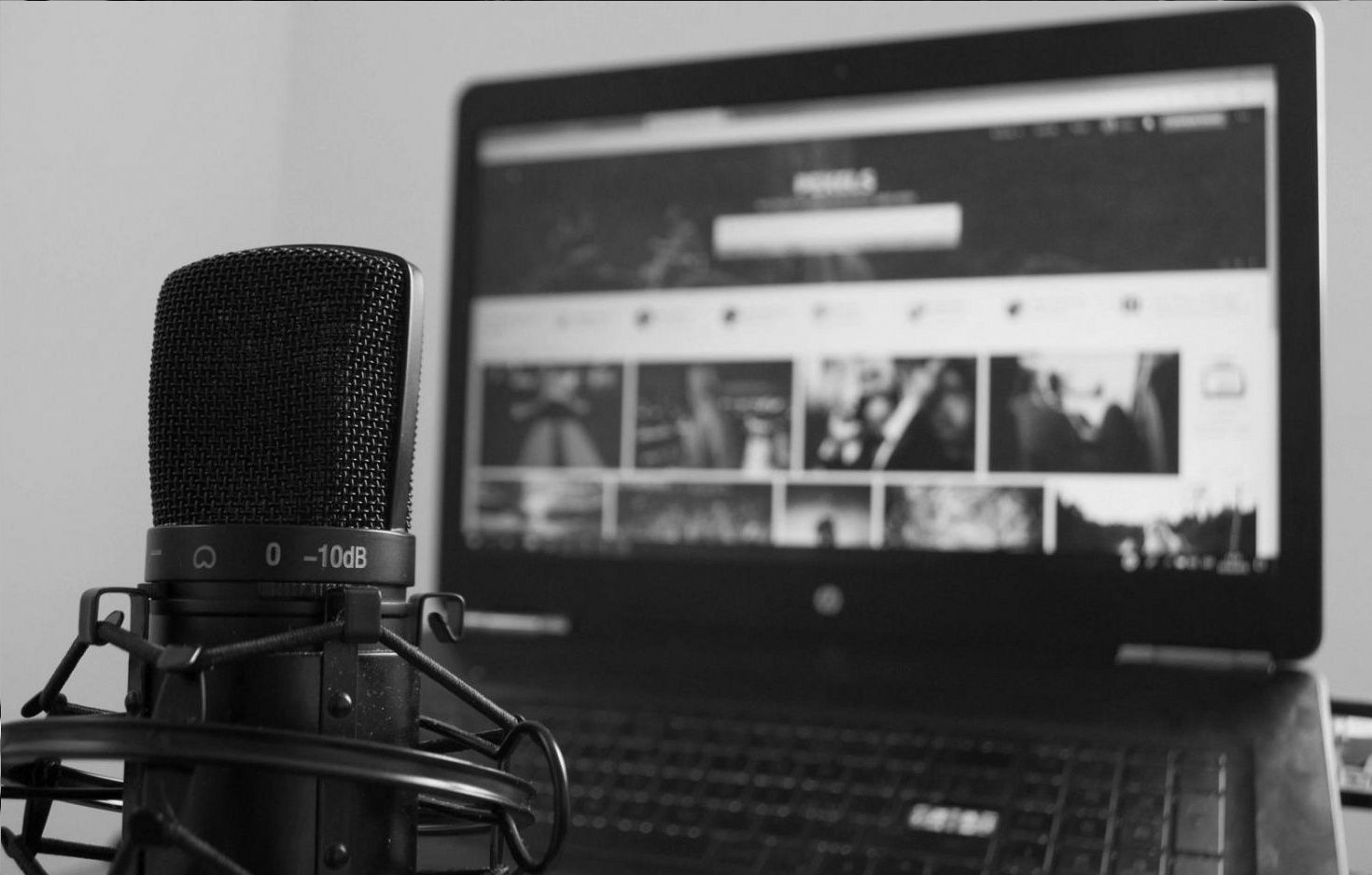
Luckyvibeworld connects learners with working sound designers — practitioners who spend their days building textures, scoring scenes, and solving acoustic problems. The platform exists because most online instruction skips the messy middle: the decisions, the failed attempts, the tools that actually get used on professional projects.
The instructors behind
"the
process"
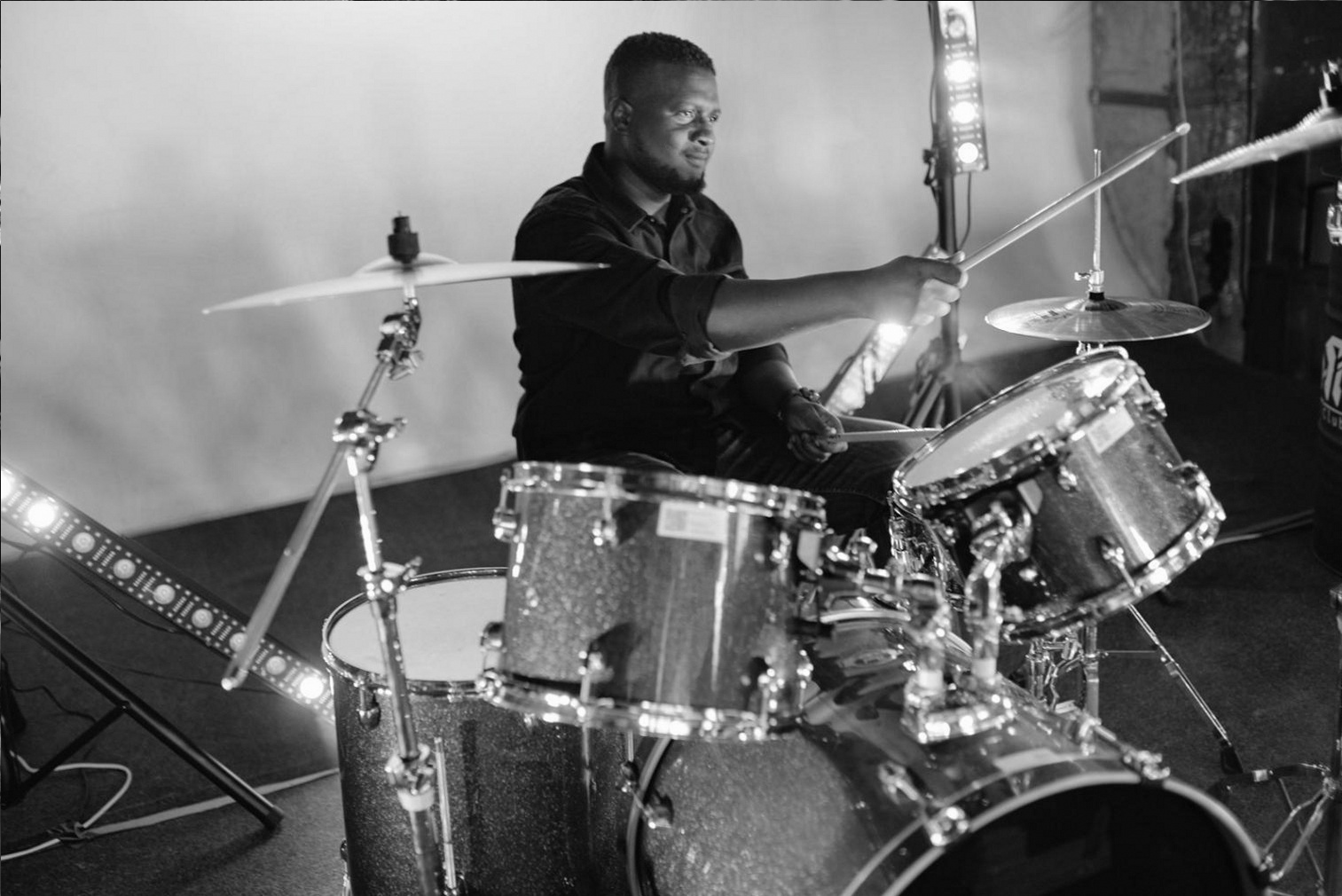
Every class on Luckyvibeworld is led by a practitioner with a specific, verifiable body of work — not a generalist educator. Learners see the actual session files, hear the reasoning behind each choice, and understand which shortcuts are worth taking and which ones cost you later. That level of transparency is harder to find than it should be.
Both founding instructors came from different corners of the industry — one from post-production audio, one from electronic composition — which means the curriculum covers the full range from cinematic texture work to synthesis-driven sound building.

Declan Farrow
Post-Production Audio

Oisín Varga
Synthesis & Composition
How the curriculum
is [structured]
Classes are built around technique demonstrations first, theory second. Each module opens with a finished result — a sound, a mix, a designed texture — then works backwards through every decision that produced it. This structure helps learners understand causality, not just steps.
- Demonstration first — every module opens with the finished result so learners know what they're working toward before the first step.
- Decision commentary — instructors narrate why each choice was made, including the alternatives they rejected and the reasons behind those rejections.
- Session file access — project files are included with each class so learners can inspect the exact routing, plugin settings, and automation used.
- Focused scope — each class covers one technique in full depth rather than skimming across a broad topic.

Honest scope
No class promises to cover everything. Each one is narrow by design — a specific technique, a particular tool, a defined problem. That focus is what makes the instruction actually usable.
Regional alignment
Content is developed with Australian learners in mind — referencing local industry pathways, institutions, and the kinds of projects that actually come through studios in this region.
Ongoing additions
The catalogue grows as instructors complete new projects and identify techniques worth documenting. Content is added when there is something genuinely worth teaching, not on a fixed schedule.